
Your dentist mentions some concerns about your gums at a checkup. Maybe the hygienist measured some deeper pockets, or maybe your gums bleed every time you brush. Then comes the word you may not have heard before: periodontist. Should you worry? And what does this kind of dentist do that yours doesn’t?
A periodontist specializes in the gums and the bone that hold your teeth in place. At Prestige Dental Specialists in Annandale, our periodontists work alongside your general dentist to treat gum disease, restore lost tissue, and place dental implants. Here’s what a periodontist can help with and when it may be time to see one.
Key Takeaways
- A periodontist is a dentist with advanced specialty training in the gums, jawbone, and dental implants.
- Periodontists treat gum disease at every stage, from early inflammation to advanced bone loss.
- Along with less invasive treatments, periodontists can extract teeth and restore missing teeth with dental implants.
- Bleeding gums, receding gums, loose teeth, and persistent bad breath are common reasons to visit.
- Many patients come by referral, but you can also book a visit on your own.
- A periodontist and your general dentist work as a team, not as replacements for each other.
A specialist for the foundation of your smile
Every periodontist starts as a dentist. After dental school, they complete three additional years of specialty training focused on the tissues around the teeth: the gums, the bone, and the ligaments that connect them. That training covers diagnosis, surgery, tissue regeneration, and implant placement. In short, your dentist handles a wide range of care, from cleanings to fillings to crowns. A periodontist narrows in on one area and goes deep.
At our Annandale practice, our periodontists, Dr. Eddy Phisuthikul, Dr. Adrian Rudiak, and Dr. Bandar Almaghrabi, spend their days on exactly this kind of care. Because we focus exclusively on specialty care, we see complex gum and implant cases every week, coordinating closely with your regular dentist throughout treatment.
Bring a list of any medications and health conditions to your first visit. Diabetes, smoking, and some medications affect gum health, and as your periodontist, we need the full picture.
What does a periodontist treat?
Gum disease is one of the most common reasons patients see a periodontist, but it’s far from the only one. Common treatments include:
- Gum disease treatment: from deep cleanings below the gumline to laser periodontal therapy and surgery for advanced cases
- Gum recession: gum grafting to cover exposed roots, reduce sensitivity, and protect teeth
- Bone loss: bone regeneration to rebuild support around teeth or prepare a site for an implant
- Missing teeth: planning and placing dental implants
- Gumline shape: crown lengthening to expose more tooth for a restoration or to balance a gummy smile
Periodontists also handle ongoing maintenance. After treatment for gum disease, many patients return every three to four months so we can keep the infection under control.
Gum disease often causes no pain at all. Bleeding, swelling, and puffy gums are still signs you need to pay attention to, even if they don’t hurt.
When should you see a periodontist?
Symptoms to watch for:
- Gums that bleed when you brush or floss
- Red, swollen, or tender gums
- Gums pulling away from your teeth, making teeth look longer
- Bad breath or a bad taste that doesn’t go away
- Teeth that feel loose or have started to shift
- A change in how your teeth fit together when you bite
Common situations that lead to a visit:
- Your dentist or hygienist found deep pockets around your teeth
- You were told you’ve lost bone around one or more teeth
- You’re missing a tooth and want to explore implants
- You were told you don’t have enough bone for an implant
- You have a family history of gum disease or tooth loss
- You’ve experienced a medically compromising condition such as chronic illness, cancer, diabetes, heart disease, or autoimmune disease.
Do you need a referral first? No. Many of our patients come to us through their general dentist, but you’re welcome to call us directly. Don’t wait for your concerns to worsen. Early care is simpler, more comfortable, and more likely to save your natural teeth.
Nervous about gum treatment? Ask about sedation options. We offer nitrous oxide, oral sedation, and IV sedation to help you stay relaxed.
Gum disease and your overall health
An infection in your gums can reach well beyond your mouth. In advanced cases, the inflamed pockets around your teeth can add up to an open wound about the size of your palm, letting bacteria into your bloodstream and raising inflammation throughout your body.
Diabetes
The evidence here is strongest, and the link runs both ways. High blood sugar worsens gum disease, and gum disease makes blood sugar harder to control. Treatment helps: a 2022 Cochrane review found non-surgical gum treatment lowered HbA1c by about 0.4%, close to the effect of adding a second diabetes medication.
Heart health
People with gum disease face a higher risk of heart disease and stroke from clogged arteries. Gum treatment improves markers like blood pressure and inflammation.
Pneumonia
In hospitals and nursing homes, good oral care may help lower the risk of pneumonia caused by inhaling mouth bacteria.
Emerging research
Researchers have also linked gum disease to pregnancy complications, rheumatoid arthritis, and Alzheimer’s disease. These connections are less certain, and research on whether gum treatment helps is still ongoing.
Living with diabetes? Experts recommend gum screenings for people with diabetes. Ask your periodontist and your physician to share results.
What to expect at your first periodontal visit
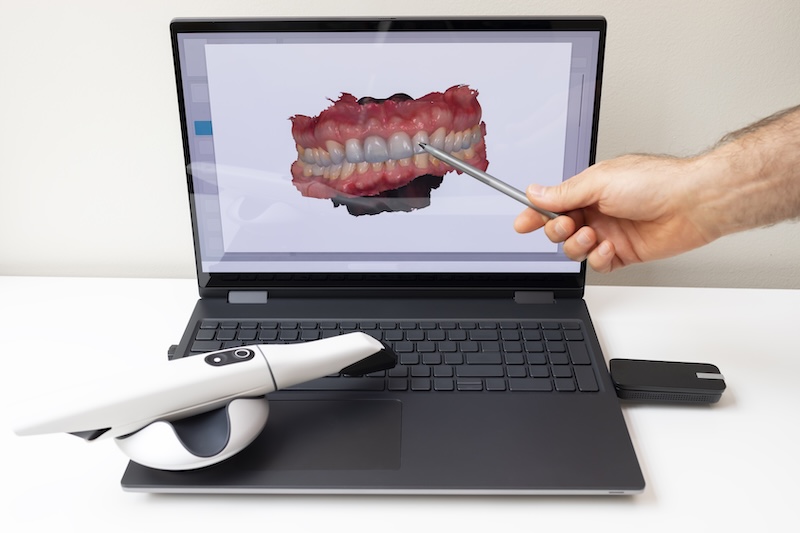
Your first appointment includes a full periodontal evaluation. Your periodontist will review your health history, measure the pockets around each tooth, check for gum recession and loose teeth, and use 3D imaging to look at the bone beneath your gums.
From there, we explain what we found in plain terms and walk you through your options. You’ll know the plan, the timeline, and your estimated costs before treatment begins. We also send updates to your general dentist so your care stays connected.
Patients from Annandale, Alexandria, Fairfax, and across Northern Virginia choose our office because we bring several specialists under one roof. If a tooth needs both gum treatment and a root canal, our periodontists and endodontists plan it together, consulting with our oral surgeon when it makes sense.
You can read more about why specialist care matters for complex cases.
Protect the foundation before it cracks
A periodontist takes care of everything that holds your teeth in place. From early gum disease to bone loss to dental implants, periodontal care protects your smile at its roots.
If your gums bleed, recede, or feel different than they used to, don’t keep waiting to address your concerns. Call us at (703) 462-9092 or book online to schedule a periodontal evaluation with our Annandale team.
Frequently Asked Questions
What is the difference between a periodontist and a dentist?
A general dentist provides broad care for your whole mouth, including cleanings, fillings, and crowns. A periodontist offers specialty care focused on the gums, jawbone, and implants. The two work together, with your dentist continuing your routine care.
Do I need a referral to see a periodontist in Annandale?
No. Many patients come to us through their dentist, but you can call our office and book a periodontal evaluation on your own. We’ll coordinate with your general dentist either way.
Is gum disease reversible?
The earliest stage, gingivitis, is reversible with professional care and good home habits. Once gum disease damages the bone, treatment focuses on stopping the infection and rebuilding lost tissue where possible.
Does periodontal treatment hurt?
We numb the area for procedures, and many patients feel only mild soreness afterward. For longer or more involved treatment, we offer sedation options to keep you comfortable.
How often should I see a periodontist after treatment?
Many patients with a history of gum disease return every three to four months for periodontal maintenance. Your periodontist will recommend a schedule based on your gum health.
Can a periodontist place dental implants?
Yes. Implant placement is a core part of periodontal training. Our Annandale periodontists plan each implant with 3D imaging and can rebuild bone first if you need more support.